
Expert AC Installation
Fast, reliable service from Magnolia Heating, Cooling & Plumbing serving the Inland Empire since 1951.
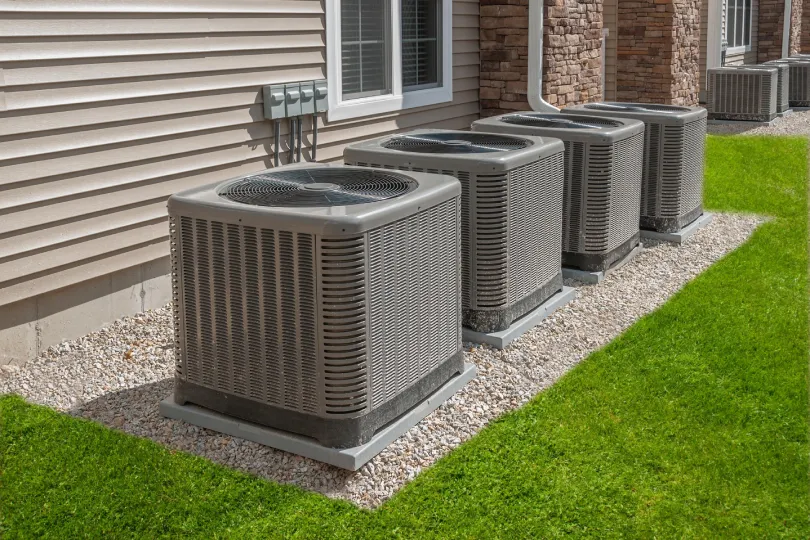
Premier Local AC Installation Service
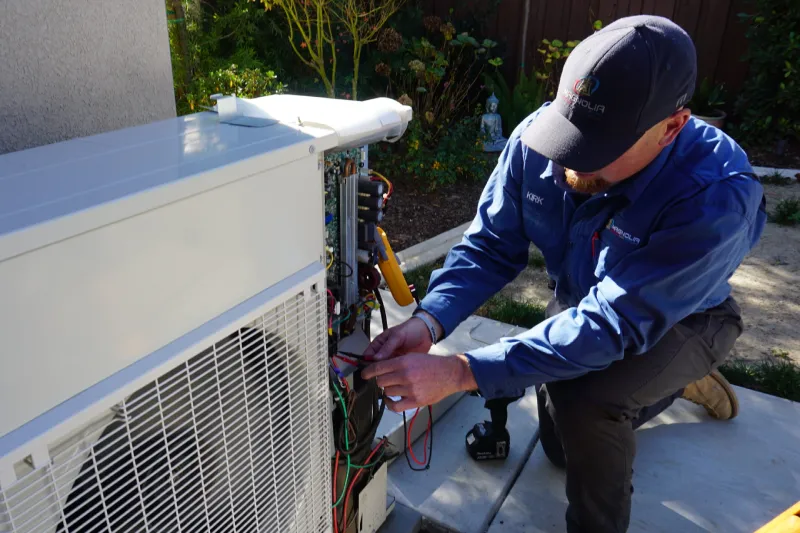
Summer temperatures push cooling systems to their limits. With 90-degree and triple-digit days, your home needs an AC system installed by local experts who understand the demands of the Inland Empire climate.
At Magnolia Heating, Cooling & Plumbing, we’ve provided central air installation Riverside homeowners trust since 1951.
We help homes stay comfortable no matter the manufacturer, bringing unmatched expertise to every installation.
For the best AC installation, rely on our NATE-certified technicians use Manual J load calculations to size your system perfectly, backed by our Lifetime Craftsmanship Warranty.




Our AC Installation Process
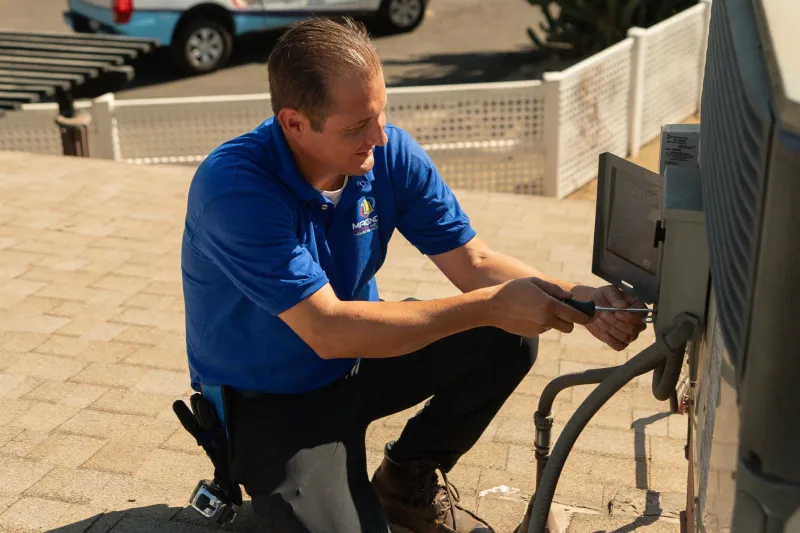
Here’s a quick glance at what to expect from residential AC installation by Magnolia.
Step 1: Free In-Home Consultation
Our comfort advisor visits your home, assesses your cooling needs, and performs Manual J load calculations.
Step 2: Custom System Selection
We recommend the right AC system for your home size, budget, and efficiency goals.
Step 3: Permit Pulling and Title 24 Compliance
We handle all permits and ensure your installation meets California energy codes.
Step 4: Professional Installation
Our licensed AC installer experts and NATE-certified technicians install your system with attention to every detail.
Step 5: System Testing and Verification
We test airflow, refrigerant levels, and performance before we leave.
Step 6: Homeowner Walkthrough and Warranty Registration
We show you how to use your new system and register all warranties.
Ready to get started? Call Magnolia for your free consultation.
Frequently asked questions
Have questions? We've got answers. Browse the frequently asked questions below to learn more about our air conditioning services, what to expect during your appointment, and how Magnolia Heating, Cooling & Plumbing can help keep your home cool and comfortable through Riverside's hottest days.
It is often the right time. Sizing new equipment for a home with a poorly insulated attic means paying for capacity you would not need once the attic is addressed. We look at both together so you are not buying a bigger system to compensate for a fixable problem.
Sizing depends on square footage, insulation, ceiling height, window count and orientation, and how your ductwork is laid out. It is not something to guess at — an oversized unit short-cycles and leaves the air humid, and an undersized one never keeps up. We perform an in-home load calculation before recommending equipment.
It depends on the age of the system, what the repair costs, and how often it has needed attention. As a rule of thumb, a unit past 10 to 12 years that is failing repeatedly is usually better replaced than repaired again. Our technicians will give you both numbers and let you decide rather than pushing you toward a new system.
Most residential air conditioners last somewhere between 10 and 12 years. Systems here tend to work harder than they would in a milder climate because of how long our cooling season runs, so maintenance makes a real difference to how much of that range you actually get.
HVAC systems last an average of 10 years. However, for your equipment, it may differ. Variables that affect life expectancy include the type of system, climate and the regularity of routine maintenance.
Many factors affect the sizing and specifications of your system, including square footage, insulation, window surface and configuration, geographic location of your home, and duct sizing and arrangement. A technician from iHome Services can perform an in-home load analysis to determine which equipment combinations will perfectly suit your home and your family’s needs. Depending on the construction of your home, one (1) ton of air conditioning can cool anywhere from 300 to 800 square feet. You can ensure that the system you purchase is the right size and not smaller or larger than you require, by having your heating and cooling needs evaluated by a licensed professional.
Each split system cooling unit has a nominal SEER rating. For a higher rating your HVAC contractor can provide advice about an upgrade. The SEER rating of a system is based on the combination of equipment installed in the home. The outdoor equipment (heat pump or air conditioner), as well as the indoor equipment (evaporator coil and furnace, or air handler), play a vital role in the total rating.
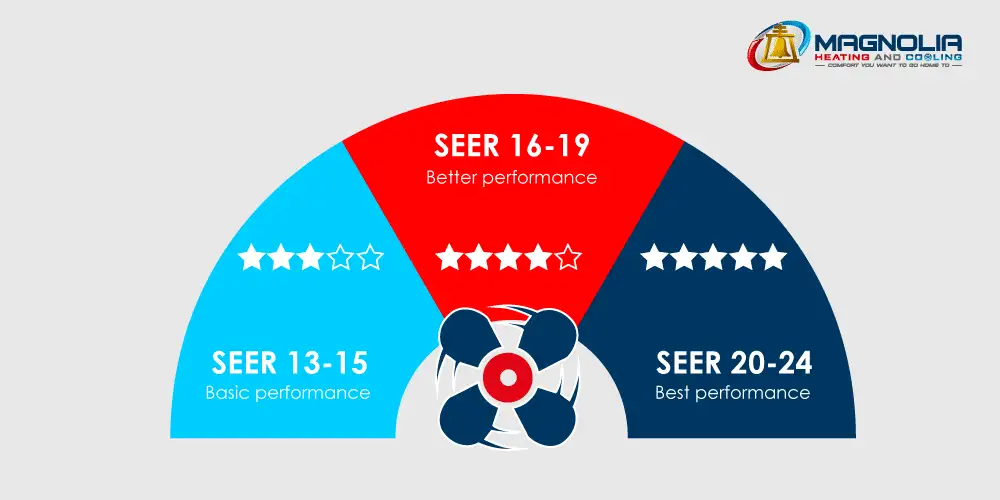
The SEER (seasonal energy efficiency ratio) measures the efficiency of your air conditioner or air-source heat pump. The SEER is the cooling output over a particular season divided by the total energy used in that same period. The higher the SEER, the greater the efficiency level of that cooling system.
Signs You Need a New AC System
If you’re experiencing any of the following signs, it might be time to explore a new residential AC installation.
- The system is 10+ years old
- Frequent repairs are adding up
- Rising energy bills
- Uneven cooling throughout your home
- The system uses R-22 refrigerant, which is now phased out
- Loud or unusual noises
- Home never feels comfortable
Ready for expert AC installation in?
Whether you're replacing an aging unit or installing air conditioning in a new home, Magnolia Heating, Cooling & Plumbing makes the process simple from start to finish. We'll help you choose the right energy-efficient system for your home, provide expert installation, and ensure your new equipment delivers reliable comfort for years to come. Contact Magnolia Heating, Cooling & Plumbing today for a free estimate and discover why homeowners across the Inland Empire have trusted us since 1951.